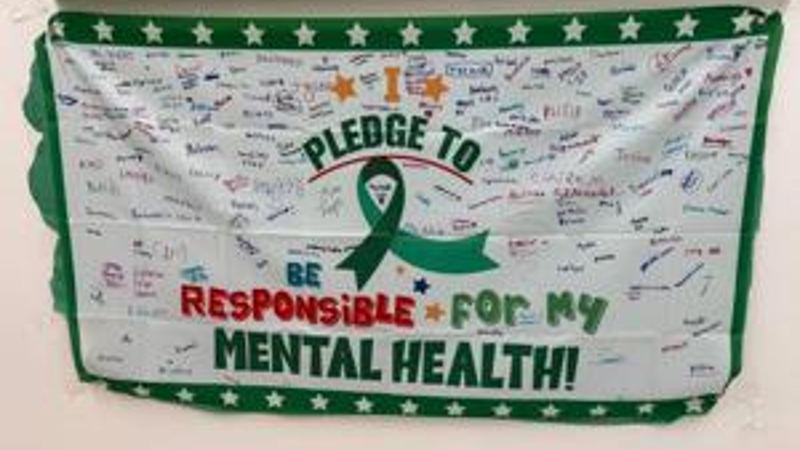
Maryland faces a critical mental health crisis among young people, with every day bringing a suicide death in the state and psychiatric emergency rooms overwhelmed with children waiting for inpatient beds.
On any given night, at least 10 to 20 children, adolescents, and young adults up to age 26 are experiencing psychiatric crises in more than 70 hospital emergency rooms and urgent care centers across Maryland. These patients are “boarded” in emergency room bays—sometimes for hours, days, or weeks—awaiting inpatient psychiatric beds. According to the source material, parents often take turns sleeping in their cars outside emergency rooms, waiting for notification that a bed has been found, sometimes requiring travel two hours away from home.
Scope of the Crisis
The statistics underscore the severity of the problem among Marylanders age 26 and younger. More than 50,000 adolescents experience a major depressive episode each year, while over 25,000 report serious suicidal thoughts. Suicide ranks as the third-leading cause of death for ages 10 to 24. Among 18- to 25-year-olds, including many young veterans, 31% experienced mental illness last year—the highest rate of any adult age group. Veterans under 35 die by suicide at more than double the rate of the general population.
When inpatient beds do open, treatment typically lasts between three days and 30 days. The recommended next step—a partial hospitalization program offering five days a week of services from nine to three, including medication management, group and individual therapy, and continued schooling—often does not materialize or is significantly delayed. Instead, young people are frequently discharged back into the same environment that triggered their crisis, leaving parents without adequate tools or training to support their child’s recovery.
Contributing Factors
The source material attributes the crisis partly to the COVID-19 pandemic, which caused school closures, isolation, and disruption leading to widened learning gaps and deepened mental health struggles. Additionally, constant smartphone use and excessive social media exposure have doubled the risk of anxiety and depression among heavy users, while relentless body-image comparisons and cyberbullying have left many young people feeling worthless and alone.
This article is an AI-assisted summary. All facts and figures are drawn from the original report: https://www.stardem.com/opinion/columns/mental-health-is-marylands-silent-epidemic/article_fa7a83b3-d59a-4604-82f4-d51ee1296bb0.html