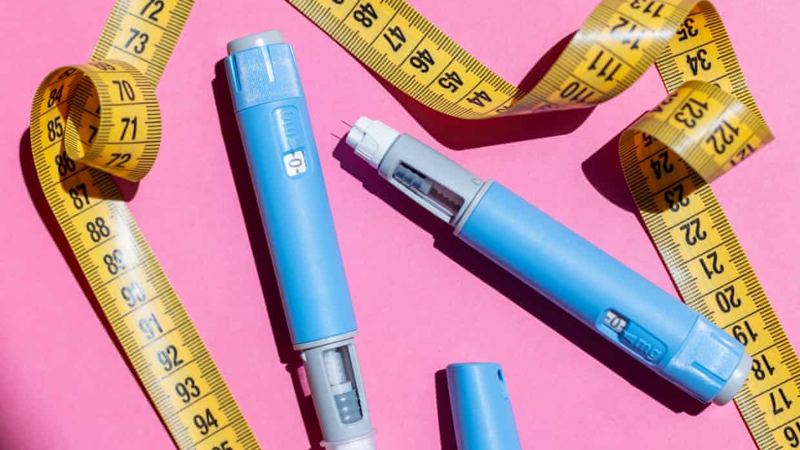
The World Health Organization has recently recommended GLP-1 drugs as treatment for obesity in all countries, marking a significant shift from its decades-long resistance to pharmaceutical solutions for what it historically framed as an environmental, structural, and political crisis. GLP-1 drugs, taken weekly as an injection, have become mainstream in many countries for weight loss treatment, despite being developed to manage type 2 diabetes.
The Public Health Pivot
For decades, the public health community advocated for government action on obesity through changing nutrition and food systems—making nutritious food affordable, regulating ultra-processed foods, implementing sugar taxes, and banning advertising of unhealthy products to young people. The shift toward pharmaceutical solutions represents what some view as capitulation. However, the WHO’s pivot is justified by the reality that obesity is killing people and disabling them in daily life, according to Prof Devi Sridhar, chair of global public health at the University of Edinburgh.
Concerns About GLP-1 Solutions
Obesity rates are tightly linked to socioeconomic status, with child obesity often reflecting child poverty. GLP-1 drugs require a weekly injection, potentially creating lifelong dependency since studies show weight rebounds when stopped. They have side effects and can cause serious complications, especially for people not prescribed them by doctors. Additionally, losing weight alone does not bring the health benefits of physical activity, which strengthens the heart, builds muscle, protects the brain from depression and anxiety, and helps reduce chronic pain.
Broader Health Approach
While GLP-1 drugs reliably reduce weight, improve metabolic markers, and reduce cardiovascular risk, critics argue that pharmaceutical companies profit from both making populations obese and from promising to reverse it. The body still needs what it has always needed: affordable and accessible nutritious food and daily movement. The hope for 2026 is that societal changes will make these essential elements possible for all, without requiring a weekly injection.
This article is an AI-assisted summary. All facts and figures are drawn from the original report: https://www.theguardian.com/commentisfree/2025/dec/31/world-health-organization-anti-obesity-jabs-2025