Two bills could improve mental health and substance use treatment in D.C.
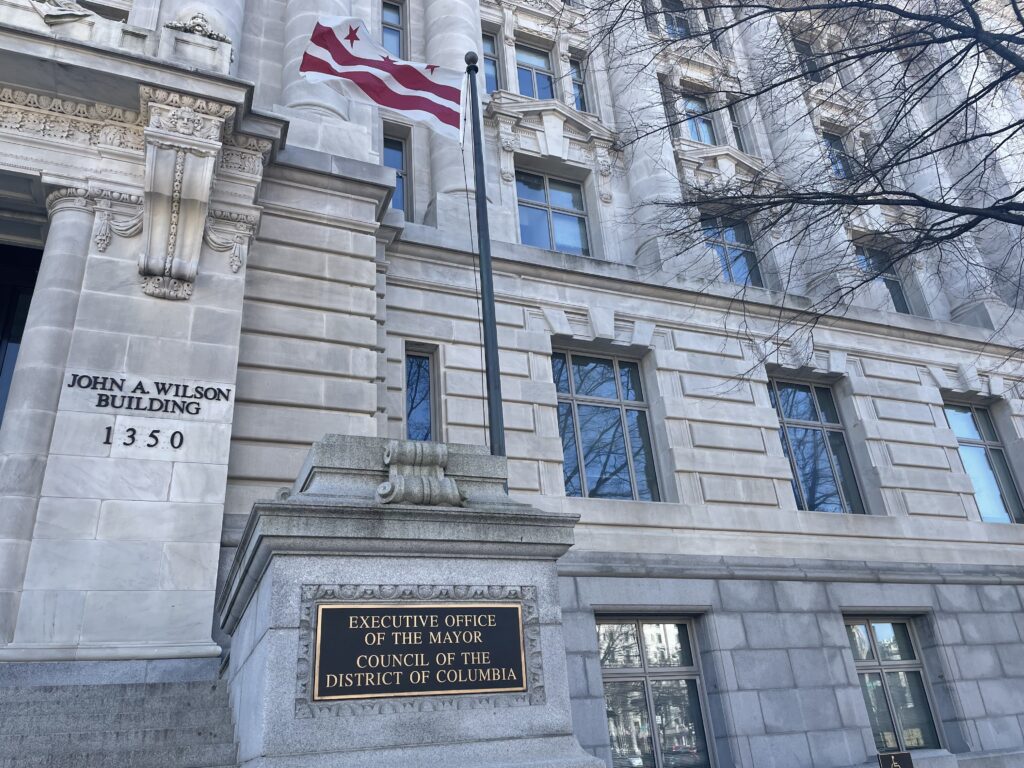 On Dec. 10, the D.C. Council’s Committee on Health listened to public testimony on three bills, two of which could affect the unhoused community, and received feedback from advocates on how each bill could benefit D.C. residents most.
The bills,the Behavioral Health Housing Voucher Transparency Amendment Act of 2025andthe Place-Based Substance Use Disorder Outreach Amendment Act of 2025, both make changes to existing programs. The first would require D.C.’s Department of Behavioral Health (DBH) to create a voucher waitlist and an online portal for its behavioral health housing voucher program.
The second would make a pilot substance abuse outreach program based near overdose hotspots, and run by organizations like HIPS, a permanent program, instead of a grant program made possible through one-time funding. The impact of the voucher transparency act is self-evident; a more robust monitoring system for DBH vouchers could mean a more efficient system, leading to unhoused people getting housing faster.
The outreach program, meanwhile, could bring down opioid overdoses,a leading cause of death for D.C.’s homeless residents. In 2023, 57% of homeless deaths were due to opioid overdoses, up from just 6% in 2014, D.C.
Office of the Chief Medical Examiner (OCME) data shows. The pilot program, according to testimony from harm reduction advocates, city agencies, and councilmembers, has been a vital tool in reducing the number of overdose deaths across populations.
According to Ward 1 Councilmember Brianne Nadeau, there was a 51% drop in non-fatal overdoses at the 500 block of T Street, one of the program’s target areas, in less than a year. “What DBH has found, not surprisingly, is that sustained outreach and the development of trusted relationships with individuals leads to greater success in moving people from substance use to treatment to more successful lives,” Nadeau said during the hearing. Despite the success of the pilot program, At-large Councilmember Christina Henderson, who chairs the health committee, reminded people the opioid epidemic is still a very real issue in D.C., even though it’s not the major news topic it used to be.
Henderson cited figures from the recently released2023 Opioid Fatality reportfrom the OCME, which found there were an average of 43 deaths in D.C. per month due to opioids, with 68% of deaths among adults between the ages of 40 to 69. Those who testified agreed targeted outreach for substance abuse was essential.
The conflict arose in how the success and quality of the providers were measured, as there were some complaints from residents about the outreach teams not being available at certain hotspots or providing resources when they were supposed to be, according to Henderson. DBH supported the bill, with leaders saying they appreciated it allowed DBH to choose outreach locations and grantees, and didn’t make the program a mandatory expenditure, but left it subject to the availability of funds.
In terms of DBH vouchers, housing advocates like Disability Rights DC at University Legal Services said under the current system, their clients can fall through the cracks and not get the housing support they need. They want more transparency into the process of how someone living with mental illness and other disabilities gets a housing voucher through DBH.
Before 2024, DBH had a Housing Eligibility Assessment List (HEAL) application; currently, there’s no application process or waitlist. DBH doesn’t consider providing housing a core part of its services, but it also can’t release a client from St.
Elizabeth’s, the public psychiatric facility, without somewhere to go. DBH only has about 20 new vouchers a year, according to Barbara Bazaron, DBH director, with the agency able to support housing for 720 households across the program.
In comparison, the D.C. Department of Human Services (DHS) can support 8,100 households, and the District of Columbia Housing Authority (DCHA) can support about 17,000 households, according to estimates from DBH.
Over the last three fiscal years, DBH vouchers have been given to 61 people. From the agency’s perspective, it has too small a pool and not enough personnel to manage a waitlist or applications, but leaders said they are eager to work with the committee to integrate with DCHA and the DHS voucher management system.
Despite the language of the voucher transparency bill demanding a specific DBH portal, Henderson made it clear she doesn’t want to reinvent the wheel, but streamline the process. “Maybe I don’t need you to do a new portal, maybe,” Henderson said during the hearing. “Maybe that’s not the direction we need to move here, but rather, how do we get this integrated with the system that already exists?” Now that the bills have gone through their first public hearing, they’ll be marked up, undoubtedly leading to some changes. The record for public testimony on each of the bills will remain open until Dec. 29, due to the holiday season.
This article originally appeared in Street Sense’s Dec. 17, 2025 edition.
Source: https://streetsensemedia.org/article/two-bills-improve-mental-health-and-substance-abuse/